
At Xuzhou Foyaglass, we understand that launching new products requires both exceptional packaging and flexible manufacturing solutions. Many of our clients face a common challenge during market development: their initial order quantities are too small for traditional glass production lines, yet they cannot compromise on quality or design.
This article explains how modern manufacturers like Foyaglass solve this challenge through weight-based production – a smart approach that makes small-batch manufacturing economically viable without sacrificing quality.
The Manufacturing Challenge: Why MOQs Exist
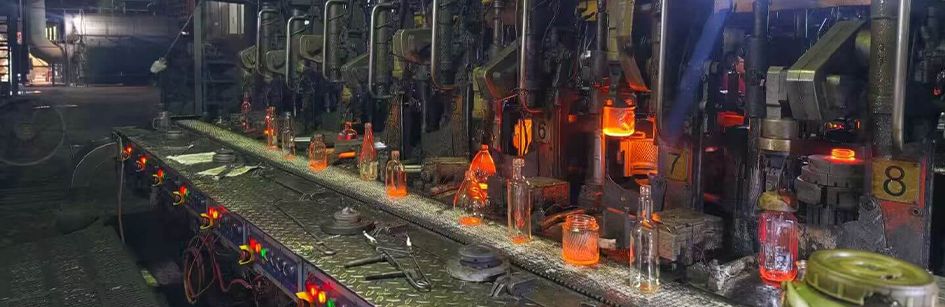
Glass bottle production operates on an industrial scale where efficiency determines viability. Each production line requires:
Substantial setup and changeover time
Precise temperature calibration
Specialized mold preparation
Continuous operation to maintain quality standards
These factors make traditional production methods economically challenging for orders below 50,000 units. However, through weight-based production grouping, we’ve developed a solution that serves innovative brands with smaller quantity needs.
The Solution: Weight-Based Production Grouping
Weight-based production involves combining multiple client orders with technically compatible bottle designs into a single production sequence. Think of it as carpooling for manufacturing – sharing resources to make everyone’s journey more efficient and affordable.
Our Four-Point Compatibility System
We use two primary methods depending on bottle design
At Foyaglass, we carefully match orders using these critical criteria:
1. Weight Matching (±3-5 grams)
Identical weight ensures consistent glass distribution
Maintains uniform wall thickness and capacity
Prevents variations that could affect filling line performance
2. Profile Similarity
Matching height-to-width ratios
Comparable curvature and design elements
Ensures consistent blowing pressure and cooling patterns
3. Finish Consistency
Grouping similar neck openings (wide-with-wide, narrow-with-narrow)
Maintaining uniform sealing surfaces
Ensuring compatible gob formation and mold feeding
4. Quantity Alignment
Matching order volumes for simultaneous production
Coordinated scheduling from start to finish
Efficient resource allocation throughout the process
A Guide for Smart Procurement Professionals
For Your Best Results:
Communicate Early: Tell us “We’re open to weight-based production options” during your initial inquiry
Design Strategically: Consider providing alternative designs – more universal profiles often find production partners faster
Plan Realistically: Understand that grouped production may have slightly longer lead times but significantly lower costs
Embrace Flexibility: Be open to minor adjustments that could improve manufacturing compatibility
Why Foyaglass Excels in Small-Batch Production
Our advanced planning systems and technical expertise make us particularly skilled at weight-based production. We:
Maintain detailed databases of compatible designs
Employ sophisticated scheduling algorithms
Provide transparent communication throughout the grouping process
Ensure every client receives the same quality standards, regardless of order size
Partnership in Production
Weight-based production represents the perfect balance between industrial efficiency and entrepreneurial needs. It enables emerging brands to access premium glass packaging while allowing manufacturers to maintain quality standards.
At Xuzhou Foyaglass, we believe great ideas deserve great packaging, regardless of scale. Our weight-based production approach ensures that your vision isn’t limited by traditional manufacturing constraints.
Ready to discuss how weight-based production can work for your next project? Contact the Foyaglass team today for a personalized consultation on your packaging needs.