
[Xuzhou, Nov. 21, 2025] – In today’s competitive market, packaging has become a crucial differentiator for brands in the spirits, food, and cannabis industries. The right glass container not only preserves product quality but also communicates brand value and enhances consumer experience. As industry demands evolve, understanding glass manufacturing processes has never been more important for making informed sourcing decisions.
Industry-Specific Manufacturing Insights
Spirits Packaging Excellence
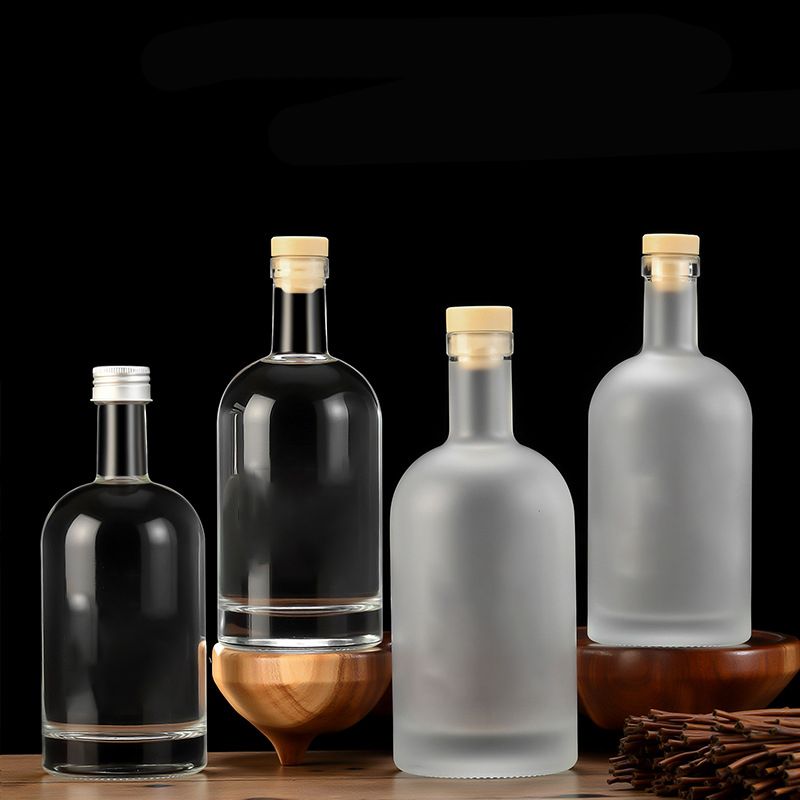
Premium spirits require glass that maintains product integrity while conveying luxury. High-clarity glass with precise molding ensures perfect presentation, while specialized coatings prevent label damage during filling and transportation.
Food Industry Requirements
Food-grade glass demands exceptional chemical stability and sealing performance. Advanced forming technologies ensure uniform wall thickness, crucial for products requiring thermal processing or extended shelf life.
Cannabis Packaging Innovation
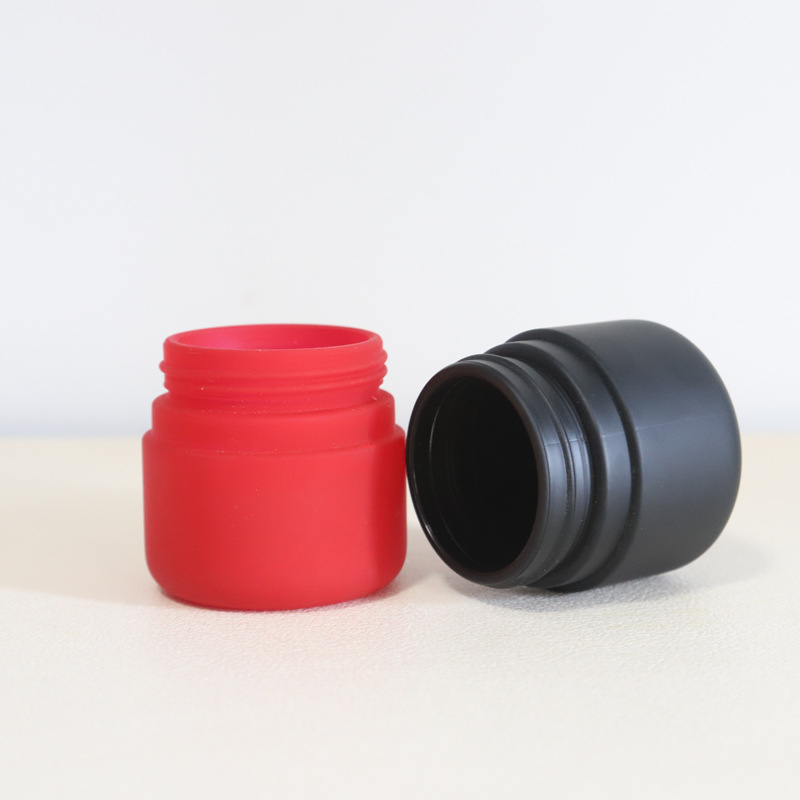
With strict regulatory requirements, cannabis packaging needs child-resistant features, UV protection, and precise dosing capabilities. Amber glass formulations and specialized closures address these unique needs while maintaining product potency.
The Glass Manufacturing Process: A Step-by-Step Overview
1. Raw Material Selection & Batching
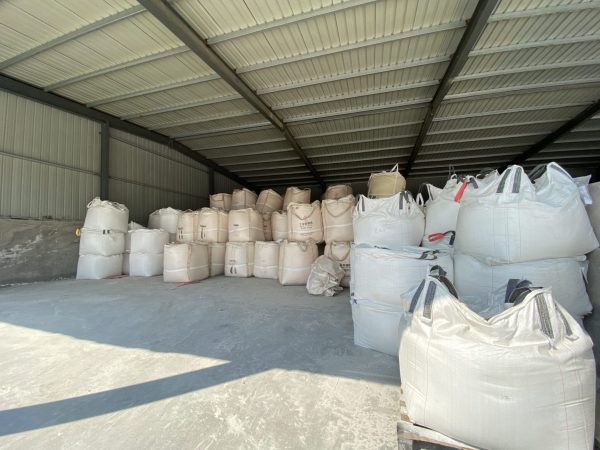
Leading manufacturers now utilize up to 90% recycled glass (cullet) in their production, significantly reducing environmental impact while maintaining quality standards. The journey begins with high-purity raw materials:
Silica Sand: The primary component forming the glass network.
Soda Ash: A flux that reduces the melting temperature.
Limestone: A stabilizer that enhances chemical durability.
Cullet (Recycled Glass): Lowers energy consumption and raw material use.
Quality Assurance: Reputable manufacturers test raw materials for chemical composition and particle size to ensure batch consistency, which is vital for the stability of sensitive formulations.
| Material | Role in Glass Production | Foya Glass Standards |
|---|---|---|
| Silica Sand (SiO₂) | Primary component (70-75%) | Ultra-pure, low-iron sand for clarity |
| Soda Ash (Na₂CO₃) | Lowers melting temperature | High-purity, imported sources |
| Limestone (CaCO₃) | Enhances durability | Chemically refined for consistency |
| Cullet (Recycled Glass) | Reduces energy use | Up to 80% recycled content in production |
🔹 Why It Matters?
Higher cullet usage = Lower CO₂ emissions & energy savings
Premium raw materials = Stronger, clearer glass
2. Melting & Forming
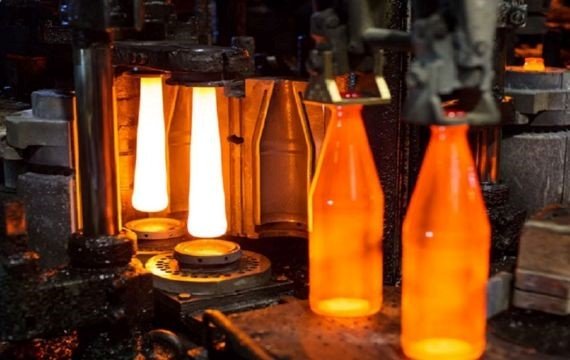
The batched materials are melted in a furnace at approximately 1500-1600°C. Two main furnace types are used:
Regenerative Furnaces: Ideal for high-volume production, using waste heat to preheat incoming air for superior energy efficiency.
Electric Melters: Offer precise temperature control and lower emissions, suitable for specialty glass and smaller batches.
The molten glass is then formed into containers using either the Blow-Blow method (for narrow-neck bottles) or the Press-Blow method (for wide-mouth jars), defining the container’s initial shape and wall thickness.
We use two primary methods depending on bottle design:
| Process | Best For | How It Works |
|---|---|---|
| Blow-and-Blow | Narrow-neck bottles (wine, beer) | Air shapes molten glass in two stages |
| Press-and-Blow | Wide-mouth jars (cosmetics, food) | Plunger presses glass into mold first |
🔹Forming Techniques
Foya Glass Capabilities:
✔ IS (Individual Section) Machines – High-speed, precision molding
✔ Custom Mold Development – Unique shapes & designs
3. Annealing
Newly formed glass contains internal stresses. To achieve durability, containers pass through an annealing lehr, a controlled oven that gradually reheats and slowly cools the glass. This critical process relieves stress, significantly increasing the container’s strength and resistance to thermal shock and physical impact.
Bottles pass through a lehr (annealing oven) at 550°C → gradual cooling.
Ensures no internal cracks or weak spots.

4. Decoration Techniques:
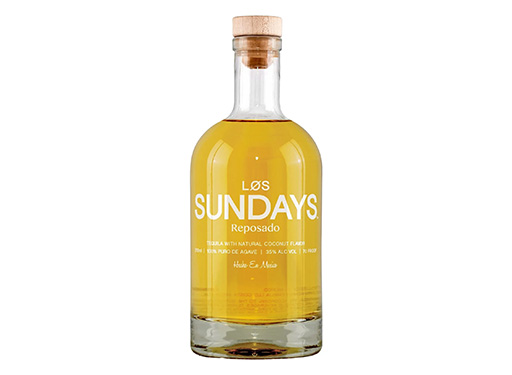
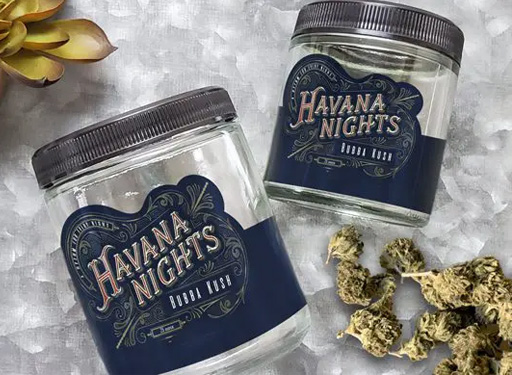
Screen Printing
Ceramic Labeling (ACL)
Spraying
Acid Etching
For multi-color logos and complex graphics.
For uniform color coatings (e.g., amber for UV protection).
Creates a permanent, fired-on label that is highly durable.
Creates an elegant, frosted matte finish.
The Glass Manufacturing Process: A Step-by-Step Overview
Modern glass production is inherently sustainable, but leading factories go further:
High Cullet Usage: Incorporating up to 90% recycled glass content to reduce energy use and carbon emissions.
Energy Efficiency: Implementing waste heat recovery systems and advanced furnace insulation.
Lightweighting: Using advanced techniques like NNPB (Narrow Neck Press and Blow) to create lighter containers without sacrificing strength, reducing material use and shipping costs.
Future Trends in Glass Packaging
The glass packaging market continues to evolve, with manufacturers increasingly focusing on industry-specific solutions that address unique product requirements while meeting growing consumer demands for sustainability and premium experiences.
Staying informed helps future-proof your packaging choices:
Industry 4.0: Integration of IoT sensors and AI for predictive maintenance, optimized production, and consistent quality.
Advanced Lightweighting: Continued innovation in forming techniques to create even lighter, stronger containers.
Eco-Conscious Demand: Growing consumer preference for reusable and high-recycled-content packaging.
Customization & Premiumization: Increased demand for unique shapes, textured glass, and sophisticated colors to enhance brand differentiation.
Partner with Foya Glass for Your Packaging Success
“Today’s successful brands understand that packaging is an integral part of their product experience,” says industry expert. “The right manufacturing partner should not only deliver quality containers but also provide technical expertise and innovative solutions specific to each industry’s unique requirements.”
At Foya Glass, we combine manufacturing expertise with a deep understanding of the branding needs in the beauty, perfume, and cannabis sectors. We are more than a supplier; we are your partner in creating packaging that protects your product and elevates your brand.
We invite you to discuss your project with our team. Contact us today to request a quote and explore how we can bring your vision to life.