
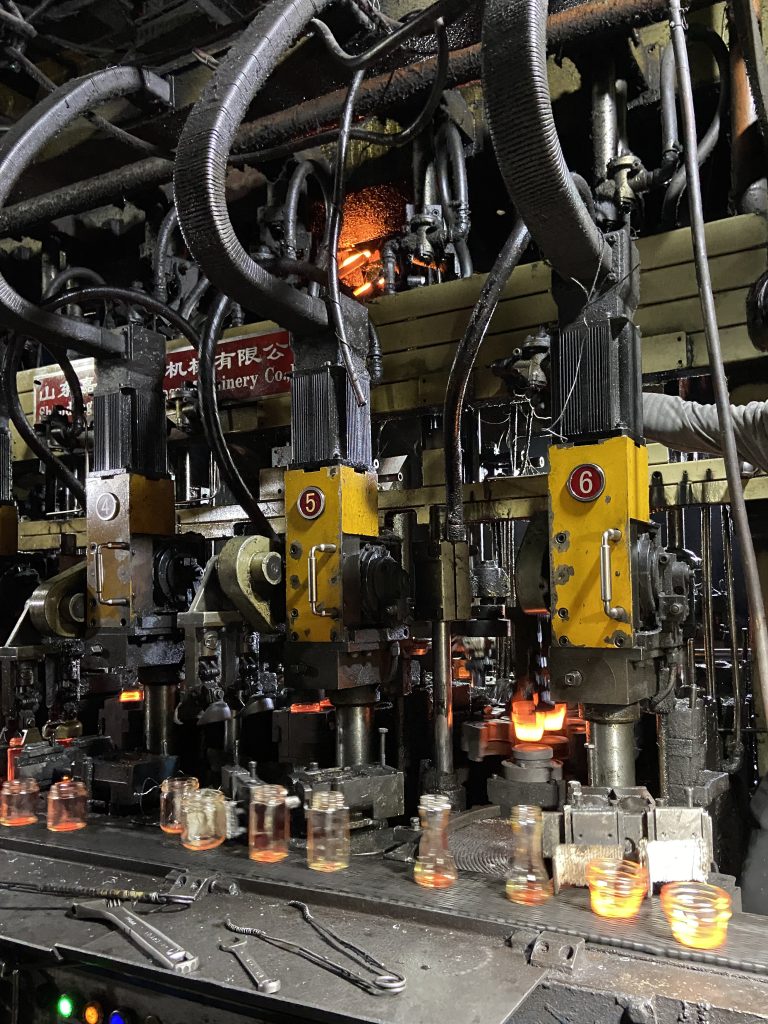
Hey there, glass – loving folks! Today, we’re diving into the wild and wonderful world of glass bottle molds used in those crazy – cool IS (Individual Section) machines, specifically focusing on the Glass Bottle Mold of IS machine – FOYAGLASS. These molds are like the magical wizards that turn molten glass into all those nifty bottles we see everywhere. Let’s get started!
Raw Materials for Molds
The Glass Bottle Mold of IS machine – FOYAGLASS represents the cutting-edge technology in glass manufacturing, ensuring efficiency and precision throughout the process.
1. Steel Alloys:
Picture this – the main ingredient for our glass bottle molds is like a super – tough, high – tech blend of steel. We’re talking about chromium – molybdenum alloy steels here. Chromium is like the muscle – builder, making the mold super hard and resistant to wear. It’s like the mold’s personal bodyguard against all the rough – and – tumble during the glass – making process. And molybdenum? Well, that’s the mold’s strength coach, giving it the oomph and toughness it needs. A popular pick is 42CrMo steel, which is like the superstar of the steel – alloy world for molds. For example, in a large – scale glass – bottle manufacturing plant that produces thousands of beverage bottles daily, 42CrMo steel molds are used. These molds endure the constant heat and pressure from the molten glass, churning out perfectly shaped bottles for soda, juice, and water brands day in and day out.
2. Coating Materials:
Now, our molds don’t just go naked! They get a fancy coat of armor. Ceramic coatings are the in – thing. It’s like putting on a super – smooth, anti – friction superhero suit. This coat not only helps the glass slide out of the mold like a pro but also makes the mold super resistant to corrosion. It’s like the mold is saying, “No rust, no fuss, and definitely no sticking!” Some coatings are so good, they’re like having a force – field that keeps the glass from getting too clingy. Take the example of a company that makes artisanal candle jars. Their molds are coated with a special ceramic layer. This coating ensures that the delicate glass candle jars, with their unique designs, can be easily removed from the mold without any scratches or damage, and the molds last much longer despite the high – temperature wax – pouring process.
Components of Glass Bottle Molds
1. Blank Mold:
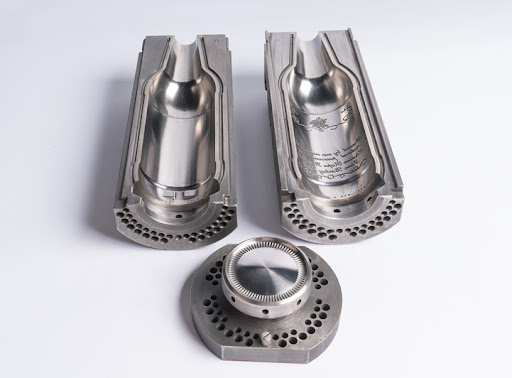
In the art of glass bottle manufacturing, the blank mold serves as the foundational stage—the first transformative step where molten glass takes its initial form. Like a master sculptor shaping raw clay, the blank mold’s precision-crafted cavity defines the parison, the embryonic stage of a glass bottle.
Composed of meticulously aligned components, the blank mold operates like a synchronized team, ensuring uniformity and structural integrity in every parison. Its design is paramount, dictating not only the parison’s dimensions but also the wall thickness—a critical factor in achieving both durability and elegance.
For luxury spirits bottles, the blank mold’s role is even more pivotal. It enables the creation of refined, slender silhouettes and graceful curves—hallmarks of high-end liquor packaging.
2. Finish Mold:
Next up, we have the finish mold, which is like the makeup artist for the glass bottle’s neck and finish. This is where the threads for the cap, the lip, and all those fancy features around the opening are created. Precision is key here, because if the finish mold messes up, it’s like a person wearing the wrong shoes – it just doesn’t work. The finish mold has to make sure the bottle can seal properly, so it’s really important. Consider a winery that uses custom – designed glass bottle molds. The finish mold for their wine bottles is crafted with extreme precision. It creates the perfect threads for the corks, ensuring a tight seal that keeps the wine fresh for years. Any imperfection in the finish mold could lead to air leakage, spoiling the wine and ruining the reputation of the distillery.
3. Blow Mold:
After the parison is all set in the blank mold, it’s time for the blow mold to work its magic. The blow mold is like a big, powerful wind – machine. It takes the parison and, with a blast of compressed air, blows it up like a balloon into its final shape. The blow mold has a cavity that’s like a perfect copy of the glass bottle’s outer body, shoulders, and base. It’s like the blow mold is giving the parison a brand – new, grown – up body. In the production of beer bottles, the blow mold is responsible for creating the characteristic stout shape. The cavity of the blow mold is designed to give the beer bottles the right thickness and strength to withstand the carbonation pressure inside. It’s amazing how a simple blast of air, guided by the blow mold, can turn a shapeless parison into a sturdy glass bottle ready to hold our favorite liquids.
Manufacturing Process of Glass Bottle Molds
1. Design Phase:
The manufacturing process starts with a design, and it’s like creating a blueprint for a super – cool spaceship. Engineers use CAD software, which is like a super – advanced drawing tool. They create a 3D model of the mold, thinking about all the details. How will the molten glass flow? Where should the air vents be so the bottle can be inflated properly? And where should the ejector pins be to pop the bottle out? It’s like planning a big party, but for glass bottles. For a company that specializes in creating unique, limited – edition glass bottles for spirits, the design phase is crucial. The engineers use CAD to design molds that can create bottles with intricate, hand – crafted – looking details. They carefully plan the air vents to ensure that the molten glass flows evenly into every nook and cranny of the mold, resulting in bottles that look like works of art.
2. Machining:
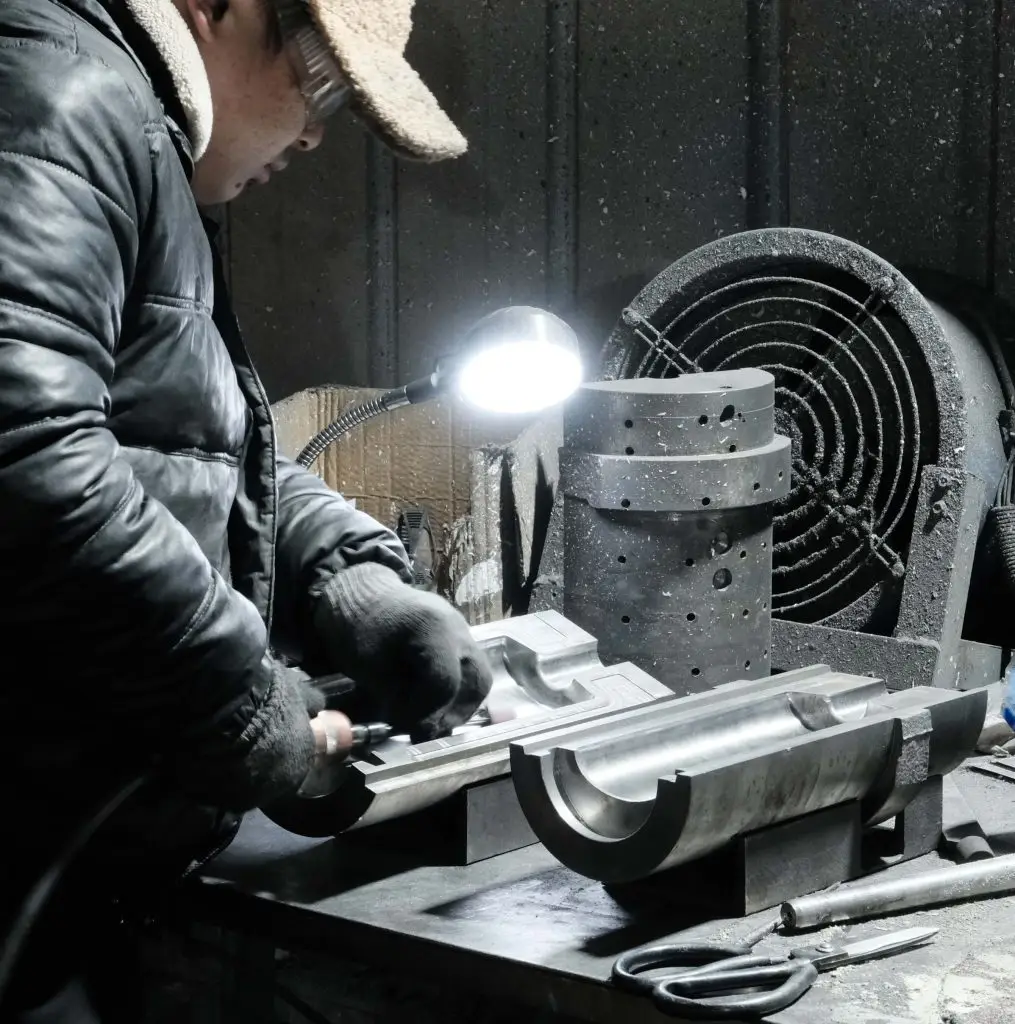
Once the design is done, it’s time to start shaping the steel alloy blocks. It’s like a sculptor working on a big block of marble, but with super – high – tech tools. Precision machining techniques like milling, turning, and drilling are used. High – speed machining centers are like the speed – demons of the machining world, making sure the mold is perfect. The tolerance for the cavity dimensions is so tight, it’s like threading a needle with a super – thin thread. In a factory that mass – produces glass food jars, the machining of the molds is highly precise. The high – speed machining centers work tirelessly to create molds with cavities that are an exact match for the desired shape of the food jars. This precision ensures that every food jar produced is of the same size and quality, ready to be filled with jams, pickles, and other delicious treats.
3. Heat Treatment:
After machining, the mold components get a special treatment – it’s like a spa day for the mold. They’re heated up to a specific temperature and then cooled down slowly. This heat treatment is like a workout for the steel, making it stronger, harder, and getting rid of any stress it might have from the machining. It’s like the mold is getting ready for a big competition. A mold – making company that supplies molds to a major pharmaceutical company goes through a rigorous heat – treatment process. The molds for pharmaceutical vials need to be extremely durable and resistant to the high – temperature sterilization processes that the vials undergo. Heat treatment ensures that the steel molds can withstand these harsh conditions without warping or losing their precision.
4. Coating Application:
Now, it’s time for the mold’s fashion statement – the coating. Depending on the type of coating, different methods are used. It’s like choosing between a spray – on tan or a fancy makeup application. For ceramic coatings, methods like PVD or CVD are used, which are like the high – end beauty treatments for the mold. These methods make sure the coating is evenly spread and sticks like glue to the mold surface. A glass – packaging manufacturer that produces glass bottles for the cosmetic industry applies a special ceramic coating to their molds. This coating not only makes it easier to release the delicate glass bottles with their intricate designs but also protects the molds from the chemicals present in the cosmetic products. As a result, the molds last longer, and the cosmetic bottles come out looking flawless.
5. Assembly:
Finally, all the parts of the mold, like the blank mold, finish mold, and blow mold, come together. It’s like a big family reunion. Precision alignment is super important here. They use bolts and nuts to hold everything together, and it’s like building a really cool Lego set, but with super – important parts that make glass bottles. In a large – scale glass – bottle production facility that produces a variety of bottles for different industries, the assembly of the molds is a highly skilled process. The workers carefully align the blank, finish, and blow molds, ensuring that they fit together perfectly. A misaligned mold could result in defective bottles, so every step of the assembly is crucial for the smooth production of high – quality glass bottles.
Production Cycle of Glass Bottle Molds
1. Prototype Development:
First up, we have the prototype mold. It’s like the trial – run version of the mold. This usually takes about 2 – 3 weeks, which is like a short vacation for the mold – making process. During this time, the design is turned into a real – life mold, and they test it out to see if there are any kinks. It’s like testing a new recipe – you want to make sure everything tastes right. A startup company that wants to introduce a new line of eco – friendly glass water bottles starts with a prototype mold. They use this prototype to test different design concepts, such as unique shapes and sizes that are both ergonomic and sustainable. The feedback from the prototype testing helps them refine the design before moving on to mass production.
2. Mass Production Preparation:
Once the prototype is a hit, it’s time to get ready for mass production. It’s like getting a big army ready for battle. They make any changes to the design based on what they learned from the prototype. The first batch of molds for mass production takes around 4 – 6 weeks. This includes all the steps like machining, heat treatment, coating, and assembly for a bunch of mold sets. A well – established glass – bottle manufacturer that has received a large order for glass milk bottles from a dairy company goes through the mass – production – preparation phase. They use the insights from the prototype mold to create multiple sets of molds. These molds are then carefully machined, heat – treated, coated, and assembled to ensure that they can produce thousands of milk bottles with consistent quality and shape.
3. Mold Maintenance and Replacement:
During the production run, the molds need some TLC. It’s like taking care of a pet. They need to be cleaned, checked for any signs of wear and tear, and get some minor repairs. How often this happens depends on how much the molds are used. On average, a well – taken – care – of mold can be used for thousands of production cycles. But like all good things, over time, the molds get tired and need to be replaced. The replacement cycle can be anywhere from 6 months to 2 years, depending on how hard they’ve been working. A glass – bottle factory that produces glass bottles for the food and beverage industry on a 24/7 basis has a strict mold – maintenance schedule. They clean and inspect the molds daily to ensure that they are in top condition. Despite this, due to the high volume of production, they need to replace some of the molds every 6 – 8 months to maintain the quality
Considerations in Glass Bottle Mold Production
1. Quality Control:
Quality control is like having a strict teacher watching over the mold – making process. They check everything, from the raw materials to make sure there are no defects, to the machining accuracy, and the coating application. They use non – destructive testing methods like ultrasonic testing and magnetic particle inspection, which are like using X – rays to see inside the mold without breaking it. In a mold – manufacturing plant that supplies molds to a global glass – packaging company, quality control is of utmost importance. They perform multiple tests on the raw materials to ensure that the steel alloys are free from impurities. During the machining process, they use precision measuring tools to check the dimensions of the mold components. And after the coating application, they use non – destructive testing to make sure the coating is of the right thickness and adhesion.
2. Thermal Management:
The molds are like little warriors facing the heat of battle. Since they’re exposed to high temperatures during the glass – forming process, they need proper thermal management. The design of the mold should be like a well – ventilated house, allowing heat to escape easily. Some molds even have cooling channels, which are like little air – conditioning units for the mold, keeping it from overheating and getting all distorted. A glass – bottle production facility that produces high – temperature – resistant glass bottles for industrial use has molds with advanced thermal – management systems. These molds have cooling channels that are carefully designed to regulate the temperature. This ensures that the molds can withstand the extremely high temperatures required to shape the special glass, without warping or losing their precision.
3. Compatibility with IS Machine:
The mold and the IS machine need to be like two peas in a pod. They have to be completely compatible. This means considering things like the mold’s size, weight, and how it connects to the machine’s mechanical and pneumatic systems. If they don’t get along, it’s like trying to fit a square peg in a round hole, and it can lead to all sorts of production problems, like bottles that don’t come out right or the machine stopping all the time. A glass – packaging company that upgrades its IS machines also has to ensure that their existing molds are compatible. They may need to make some modifications to the molds, such as adjusting the size or the way they connect to the new machine’s pneumatic system. This ensures that the production process runs smoothly and that they can continue to produce high – quality glass bottles without any disruptions.
So there you have it, folks – the amazing world of glass bottle molds for IS machine production. It’s a wild ride, but now you know all about these cool tools that make our glass bottles possible!